
Roof Verge Repair: Signs, Costs and Fixes
A damaged roof edge rarely stays a small problem for long. Roof verge repair is often needed after the first signs of cracked mortar, loose tiles or gaps along the gable, and leaving it too long can lead to water getting in, wind damage and ongoing repair costs that could have been avoided.
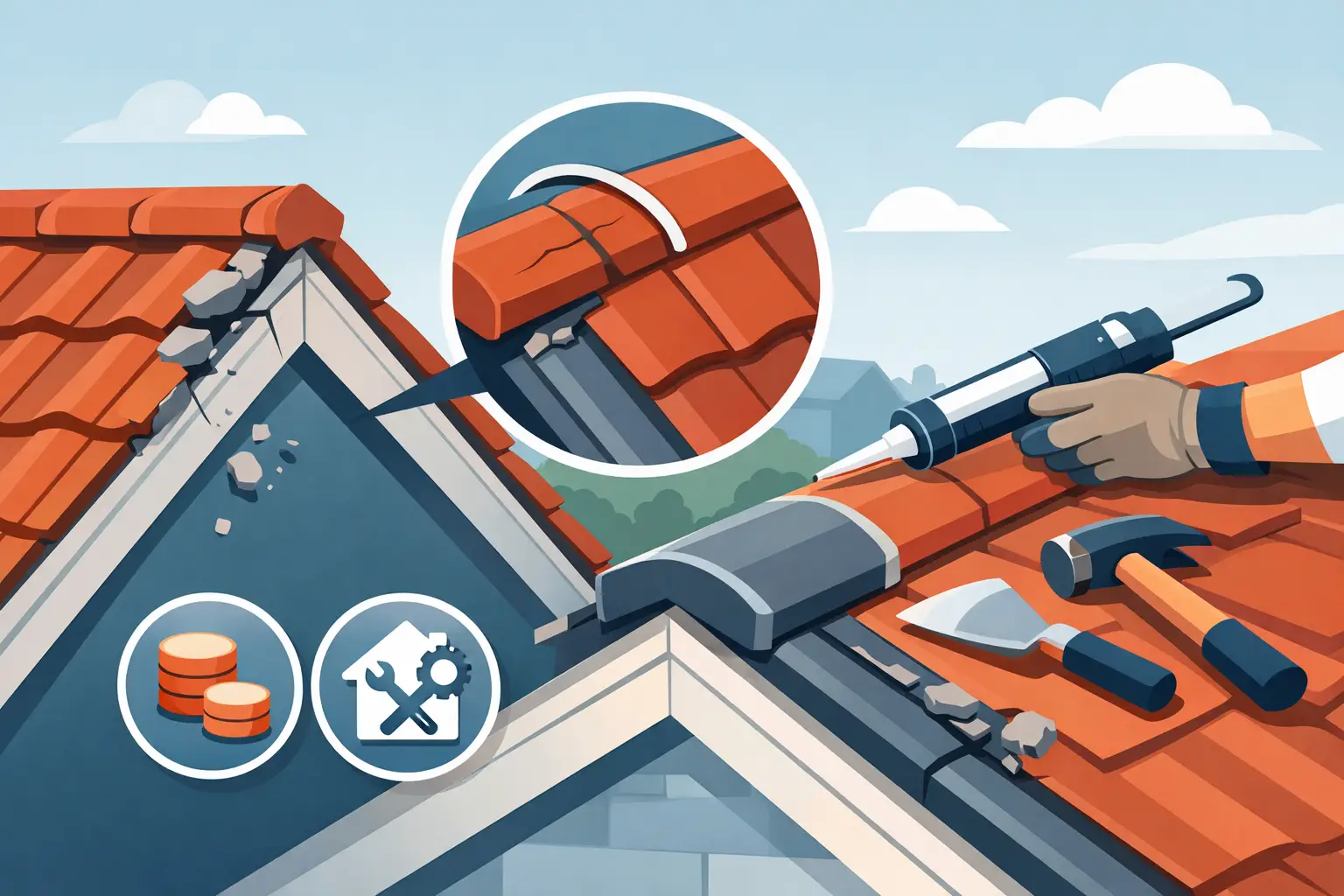
The verge is the edge of the roof where the tiles meet the gable end. It helps protect the roofline from wind and rain while keeping the outer edge of the tiles secure. When that area starts to fail, the whole roof edge becomes more vulnerable. On many properties, especially older homes, the problem begins with worn mortar bedding. On others, dry verge systems can loosen, crack or shift after years of weather exposure.
What roof verge repair usually involves
Roof verge repair can be straightforward or more involved depending on the roof’s age, the materials used and how far the damage has spread. In some cases, it is a localised repair to a short section where mortar has broken away or a tile has slipped. In other cases, the full verge line needs to be taken back and rebuilt so the roof edge is secure again.
There are two main types of verge finish. The first is a traditional mortar verge, where the outer tiles are bedded and pointed with mortar. The second is a dry verge system, which uses interlocking caps or units fixed mechanically along the edge. Both can work well when installed properly, but they fail in different ways.
Mortar verges often deteriorate gradually. Frost, heavy rain, movement in the roof and simple age all take their toll. Dry verge systems are generally lower maintenance, but poor fitting, storm damage or brittle plastic components can still cause trouble.
Signs your roof verge needs attention
You do not need to climb onto the roof to spot an issue. In fact, it is better not to. From ground level, there are usually clear warning signs that something is wrong.
Cracked or missing mortar along the gable edge is one of the most common. You may also notice tiles that look uneven, exposed gaps beneath the edge tiles or debris on the ground after bad weather. If the verge has already started to fail, wind can get underneath the tiles and make the problem worse very quickly.
Inside the property, damp patches near the top of a gable wall can sometimes point to verge failure, especially after driving rain. That does not always mean the verge is the only cause, but it is a strong sign that the roof edge needs checking.
On commercial buildings and rental properties, regular inspections matter even more. A loose verge tile is not just a maintenance issue – it can become a safety risk if materials fall from height.
Common causes of verge damage
Age is the obvious one, but it is not the only reason verges fail. Weather exposure plays a major part, particularly on roofs that take the full force of prevailing wind and rain. Repeated freeze-thaw cycles can break down mortar over time, especially if earlier repairs were patchy or poorly mixed.
Poor workmanship is another common factor. If the verge was not laid evenly, if the mortar was too weak, or if the fixing detail was rushed, the edge of the roof will often start showing problems much sooner than it should. We also see damage where previous repairs dealt with the visible crack but not the underlying movement.
In some situations, the issue starts with the roof structure itself. If timbers have shifted or the underlay and battens at the edge have deteriorated, the verge may no longer have proper support. That changes the repair from a simple patch-up to a more complete roofing job.
Repair or replace – what is the right approach?
This depends on the condition of the verge and what type of system is in place. A small section of failed mortar can sometimes be repaired if the surrounding area is still sound. That is often the sensible option when the rest of the roof edge is stable and there are no signs of wider movement.
If the mortar is crumbling along most of the gable, or if several tiles are loose, a full strip and re-bed is usually the better investment. Spot repairs on a verge that is already failing in multiple places often become false economy. You fix one section, then another starts to go.
With dry verge systems, individual caps or units can sometimes be replaced, but only if the underlying fixings and edge tiles are secure. If the whole run has been poorly installed or is showing widespread wear, partial repairs may not hold up for long.
A good roofer will not push a bigger job than you need. They should inspect the full roof edge, explain what has failed and give you a clear view of whether a repair is likely to last.
Roof verge repair costs – what affects the price?
There is no single fixed cost because the price depends on access, roof height, the length of verge involved and the repair method needed. A small local repair on a single-storey section will naturally cost less than rebuilding both gable verges on a taller property with scaffold access.
The type of roof also matters. Concrete tiles, clay tiles and older slate roofs all need slightly different handling. If matching tiles are required, that can add time and material cost. If the verge damage has allowed water into the underlay, battens or timber ends, the repair may need to go deeper than the surface finish.
What matters most is getting an honest assessment. The cheapest quote is not always the best value if it only covers cosmetic patching. A proper repair should secure the tiles, protect the roof edge and hold up in bad weather.
Why fast action matters
Verge damage tends to spread. Once mortar drops out or a tile loosens, wind pressure increases on the surrounding area. Water can get behind the edge, soak into vulnerable points and start affecting the layers beneath. What began as a roof edge repair can turn into timber decay, internal damp or repeated tile loss after storms.
There is also the issue of appearance. A broken verge makes a property look neglected, which is not ideal if you are maintaining a rental, preparing to sell, or simply trying to protect kerb appeal. More importantly, it suggests to buyers, tenants or visitors that maintenance may be slipping elsewhere too.
For property owners in Kent and London, where roofs take a fair share of rain and seasonal weather shifts, staying ahead of these issues is usually cheaper than reacting after a failure.
Choosing the right contractor for roof verge repair
This is one of those jobs where experience counts. Verge work may look simple from the ground, but getting it right means understanding how the edge tiles, undercloak, battens and bedding all work together. A rushed repair can fail quickly, particularly on exposed roofs.
Look for a contractor who deals with roofing repairs day in, day out and who is happy to inspect the area properly before quoting. You want clear advice, a straightforward estimate and a realistic explanation of what will be repaired, replaced or made good.
Clean working matters as well. Verge repairs often create loose debris and mortar waste, and a professional team should leave the site tidy when the job is done. That is part of good workmanship, not an extra.
At All Care Property Maintenance, this practical approach is central to how roof repairs are handled – inspect properly, explain clearly and carry out work that solves the problem rather than masking it.
When a dry verge upgrade makes sense
If you have an older mortar verge that has needed repeat patching, it may be worth considering an upgrade to a dry verge system. This is not automatically the right answer for every roof, especially where appearance needs to match the age and style of the property, but it can be a strong option for durability and lower maintenance.
Dry verge systems are designed to secure the roof edge mechanically and reduce the reliance on exposed mortar. On the right property, that can mean better long-term performance in harsh weather. The trade-off is that the finished look is different, and some homeowners prefer the traditional appearance of a neatly pointed mortar verge.
A good contractor should talk you through both options and explain what suits your roof, your budget and the look of the building.
If you have noticed loose mortar, slipped tiles or gaps at the roof edge, it is worth getting it checked before the next spell of rough weather does the checking for you.


Comment (0)